
The Allure of Casino Games
Casino games have a unique ability to captivate players, drawing them into a world of chance and excitement. This allure can be attributed to several psychological factors, including the thrill of uncertainty and the potential for significant rewards. The unpredictable nature of games like slots and roulette creates an adrenaline rush that keeps players engaged, and savvy gamblers often seek out the best sportsbook bonuses to maximize their experience and winnings.
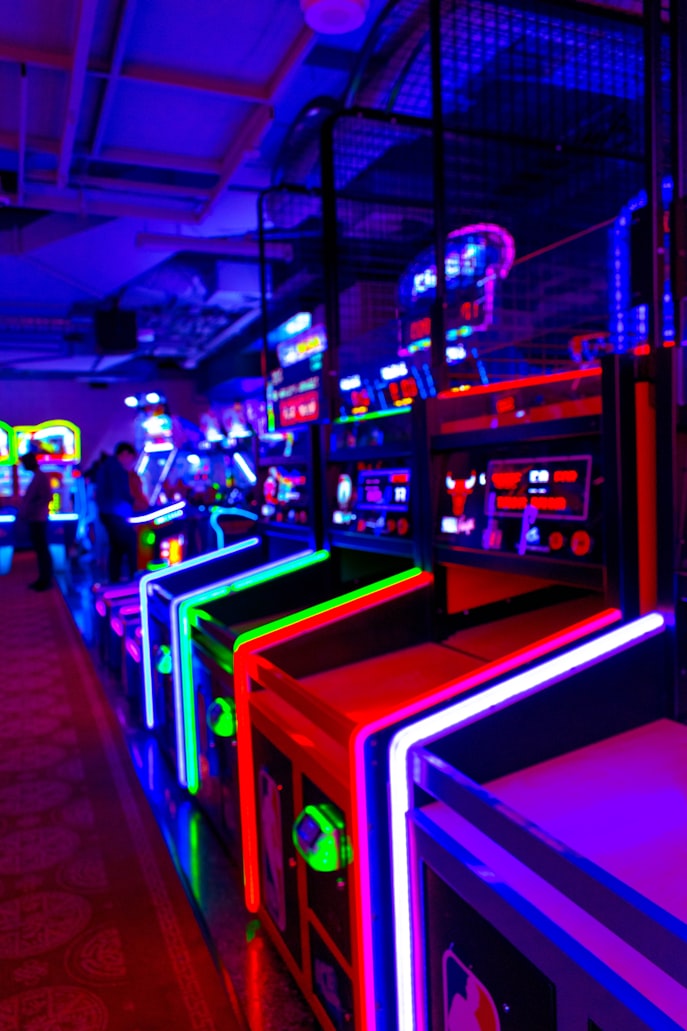
Moreover, the vibrant environment of casinos, with their flashing lights and upbeat sounds, plays a crucial role in enhancing this allure. These sensory stimuli not only create an exhilarating atmosphere but also trigger emotions that reinforce the desire to play. This combination of psychological arousal and gamified elements contributes to the continued attraction of casino games.
The Role of Rewards and Reinforcement
Behavioral psychology suggests that the use of rewards, both tangible and intangible, is central to player engagement in casino games. Casinos frequently employ a reinforcement schedule, offering players intermittent rewards that increase the likelihood of repeated play. This method capitalizes on the brain’s reward system, releasing dopamine when a player wins, thereby creating a pleasurable experience that players want to repeat.
Additionally, the thrill of near misses—when a player comes close to winning but falls short—can be surprisingly motivating. This phenomenon trickles into the psychology of persistence, where players feel encouraged to keep trying, convinced that a win is just around the corner. Understanding these reinforcement mechanisms is crucial for both casinos and players alike, as it shapes their approach to gambling behavior.
The Impact of Cognitive Biases
Cognitive biases significantly influence player behavior in casinos. The gambler’s fallacy, for instance, leads players to believe that past outcomes can affect future results, which is particularly evident in games of chance. When players see a losing streak, they may feel due for a win, prompting them to wager more, despite the inherent randomness of the games.
Another common bias is the illusion of control, where players believe they can influence the outcome of a game through their actions. This belief can lead to overconfidence in their skills in games like poker or blackjack, where strategy plays a role but chance is ever-present. Recognizing these biases can help players make more informed decisions regarding their gambling habits.
The Social Aspect of Gambling
The social dynamics inherent in casino environments also play a vital role in player behavior. Many individuals are drawn to casinos not just for the games but for the social interaction they offer. Sharing a table with others or participating in a group event can heighten the experience, making it more enjoyable and engaging.
Furthermore, the camaraderie found in group play or among friends can lead to a cascade of emotions that heighten the thrill of gambling. Casinos often capitalize on this social aspect by hosting events or tournaments that encourage interaction, making the gambling experience a communal activity that fosters connections among players.
Understanding Access Restrictions on Gaming Websites
When exploring online casino platforms, players may encounter access restrictions that can lead to confusion and frustration. Such restrictions can stem from various reasons, including geographical limitations or compliance with local gambling regulations. It is essential for users to be aware of these potential barriers to ensure a smoother gaming experience.
While this discussion primarily revolves around psychological aspects and player behavior in casinos, the understanding of access restrictions plays a complementary role in ensuring a responsible and enjoyable gaming adventure. Players are encouraged to stay informed about such policies, seek assistance when needed, and remain aware of their rights and options in the evolving landscape of online gaming.